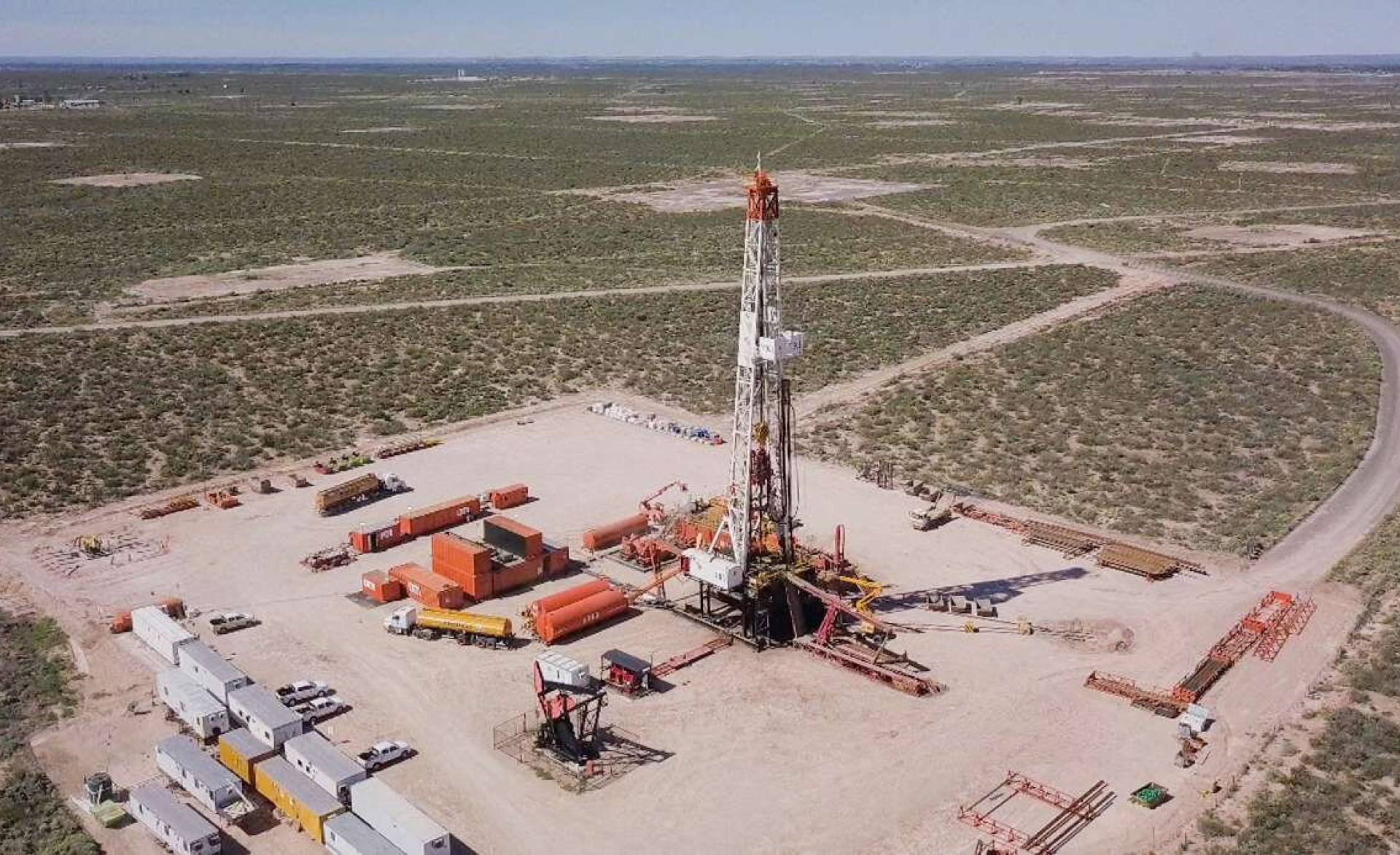
December 13th marks the 118th anniversary of the discovery of the first oil well in Argentina, which took place in 1907 in the town of Comodoro Rivadavia, in the province of Chubut. That discovery, which came about during drilling intended to find water, marked the beginning of an activity that would eventually become one of the country's industrial, productive, and strategic pillars.
The significance of the discovery was immediately recognized by then-President José Figueroa Alcorta, who established a fiscal reserve of five leagues around the well to protect the newly found hydrocarbon resources, laying the foundations for an energy policy geared toward the national interest.
In the following decades, the consolidation of the sector reached a key milestone in 1922 with the creation of Yacimientos Petrolíferos Fiscales (YPF), promoted by General Enrique Mosconi. The company became the first integrated state-owned oil company, dedicated to the exploitation, refining, and marketing of hydrocarbons, and played a fundamental role in the growth of the industry.
Today, more than a century later, hydrocarbon activity continues to play a central role in Argentina's energy development. The Vaca Muerta formation, in the Neuquén basin, is one of the most important unconventional oil and gas reservoirs in the world. Its expansion has boosted production, encouraged investment, generated employment, and strengthened the economy.
On this National Oil Day, we salute the generations that made the development of this industry possible and reaffirm our commitment to a responsible, efficient energy approach focused on the well-being of all Argentines.